A clean environment is a pest’s worst enemy. Environment where foods are manufactured are filled with pests’ favorite things, but with a good sanitation plan you can reduce pests invasion in your facilities.Pests, like any living thing, need three things to survive: food, water and shelter. And that's why food processing facilities are naturally susceptible to these food safety threats since they contain all three. Sanitation is therefore of the utmost importance.

The good
news is that preventing pest issues with sanitation is something you can start
working on to improve today. If you establish standard practices and procedures
early and are diligent about sticking to them, over time you can reduce the
occurrence and severity of pest problems.
Make Sanitation
a priority program and it will help
prevent pest activity before it occurs. Regular inspection, and
monitoring alongside sanitation before chemical application allows for better overall management of pest
issues. A good Pest management program uses all the tools to minimize the
occurrence of pests, minimize their impact and maximize the efficacy of treatments. It also
focuses on preventing issues and addressing them immediately once discovered to
stay ahead of pests.
Pest
management professional should conduct a thorough inspection to locate
potential pest hot spots and conducive conditions in your facility. And with
your assistance (as the owner of the facility) to create a good program that will
focus on your particular challenges. No matter what your facility’s
specific challenges may be, there are several key practices you can always
implement to protect them and your
reputation as well as teach your team good pest control habits.
STEPS TO
FOLLOW—EARLY DISCOVERING OF PESTS
Discovering pest issues early is very important hence all concerns should be trained on how to look out for certain signs and be diligent about reporting them. When it comes to sanitation, everyone plays a key role. Not only is it important to establish a schedule for sanitation, but it’s also important that employees or other members be adequately trained on the procedures, documentation and rationale for maintaining good sanitation.
Discovering pest issues early is very important hence all concerns should be trained on how to look out for certain signs and be diligent about reporting them. When it comes to sanitation, everyone plays a key role. Not only is it important to establish a schedule for sanitation, but it’s also important that employees or other members be adequately trained on the procedures, documentation and rationale for maintaining good sanitation.
To get everyone to “buy in” to the program, be sure to engage them early in the
process. Educate them on what the pests are, what conducive conditions to look
for, and how to report it.
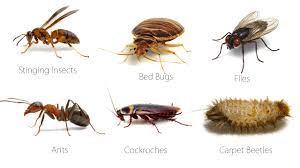
Be sure
that they know the telltale signs for some of the most common pests. For example:
.
Make sure
to have a pest sighting log and procedures in place for employees to report
issues when they spot a pest or signs of pest activity. The pest sighting log
should include details such as: time and date, location where pests were
spotted, type (if known) and number of pests sighted, and any other observed
signs of pest activity. If possible, collect a sample of the pest for
identification by your pest management professional.
If you’re
having a tough time getting employees on board, most pest management
professionals offer free training sessions. It often helps to hear straight
from the expert.
CLEAN AND
HEALTHY ENVIRONMENT
You don’t need a basket full of food particles to attract pests.It takes little drops of food crumbs to invite them in, so, maintaining a very clean environment is very important in keeping off pests
You don’t need a basket full of food particles to attract pests.It takes little drops of food crumbs to invite them in, so, maintaining a very clean environment is very important in keeping off pests
Regular cleaning
is very important
You should have a master sanitation schedule that covers all areas of your facility. This will include daily, weekly, monthly and quarterly sanitation tasks and maybe even special shutdown sanitation protocols. Ensure that these tasks are being completed and documented. Your inspections should overlap with your sanitation schedules to verify that procedures are being followed. Don’t forget about employee areas like break rooms and locker rooms, and empower all employees to report all sanitation issues they may see.
You should have a master sanitation schedule that covers all areas of your facility. This will include daily, weekly, monthly and quarterly sanitation tasks and maybe even special shutdown sanitation protocols. Ensure that these tasks are being completed and documented. Your inspections should overlap with your sanitation schedules to verify that procedures are being followed. Don’t forget about employee areas like break rooms and locker rooms, and empower all employees to report all sanitation issues they may see.
Take out
the trash
Whether it’s trash from production areas, trash in employee areas or outside trash, dispose of trash on a regular basis. Make sure to keep a lid on all garbage receptacles. Keep dumpsters away from the building if possible. And don’t forget to regularly wash out indoor trash bins so there is no buildup between the bin and the liner bag.
Whether it’s trash from production areas, trash in employee areas or outside trash, dispose of trash on a regular basis. Make sure to keep a lid on all garbage receptacles. Keep dumpsters away from the building if possible. And don’t forget to regularly wash out indoor trash bins so there is no buildup between the bin and the liner bag.
Drains
Drains can be both a sanitation issue and a possible entry point. Especially in areas with standing moisture, regularly clean drains with a foaming drain cleaner to prevent organic material from building up. For drains that are no longer u sed, or rarely used, consider capping or using a drain insert to prevent
pests from harboring in those areas. Don’t forget drains in break rooms and
bathrooms.
sed, or rarely used, consider capping or using a drain insert to prevent
pests from harboring in those areas. Don’t forget drains in break rooms and
bathrooms.
Drains can be both a sanitation issue and a possible entry point. Especially in areas with standing moisture, regularly clean drains with a foaming drain cleaner to prevent organic material from building up. For drains that are no longer u
sed, or rarely used, consider capping or using a drain insert to prevent
pests from harboring in those areas. Don’t forget drains in break rooms and
bathrooms.
The
external environment
Sanitation is not only important inside, but outside your facility as well. Keeping the property around your building clean can drastically decrease pest pressure outdoors, keeping pests from moving indoors. Proper landscaping will help keep the premises pest-free.
Sanitation is not only important inside, but outside your facility as well. Keeping the property around your building clean can drastically decrease pest pressure outdoors, keeping pests from moving indoors. Proper landscaping will help keep the premises pest-free.
Make sure there is no loose trash around the
outside including parking lots and outdoor employee areas.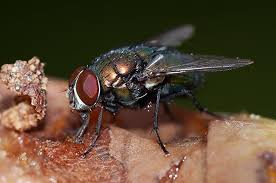
Maintain a vegetation-free border around the
facility. Use rocks and/or gravel to prevent plant growth and to ensure water
flows away from the structure.
Trim vegetation and thin out thick bushes to
eliminate hiding spots where insects, rodents and birds can find protection and
thrive.
Cut back trees away from the building to ensure
branches don’t touch the facility—when they do, it creates an access point for
pests. Keep all plants at least two feet away from the building.

Watch out for standing water. Flies and other
insects can breed in these areas, resulting in an increased risk of pests
getting into a facility. Any places where water pools regularly will become a
hot spot for pests, so ask your landscapers to create proper runoff to
eliminate standing water.
From Somplus
Pests Control

No comments:
Post a Comment